Make sure these are the two phones you mean
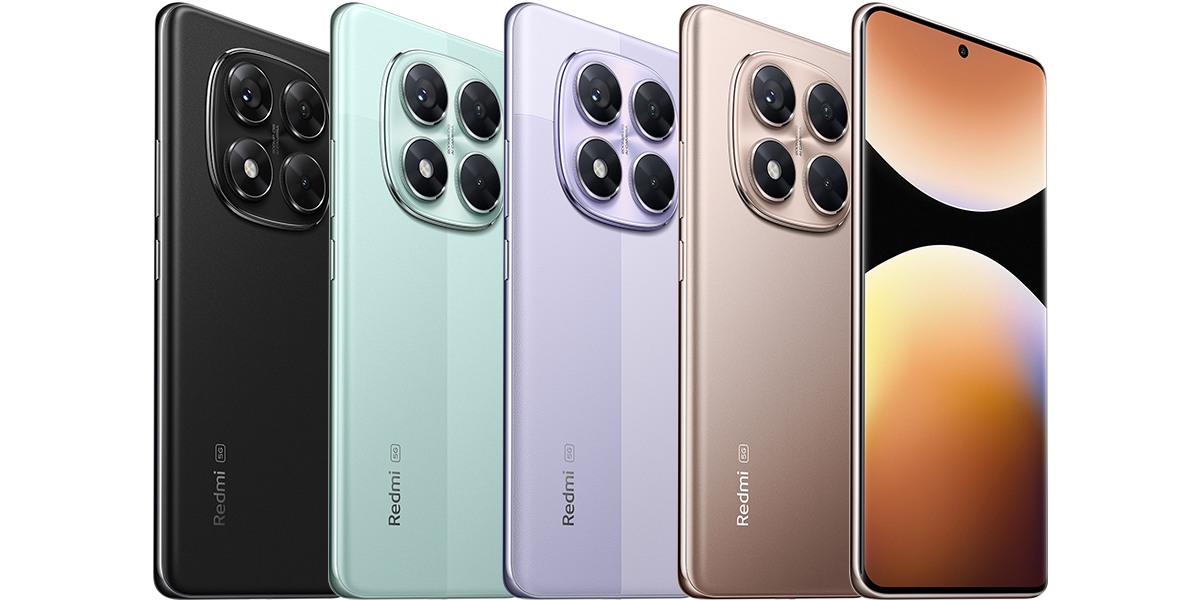
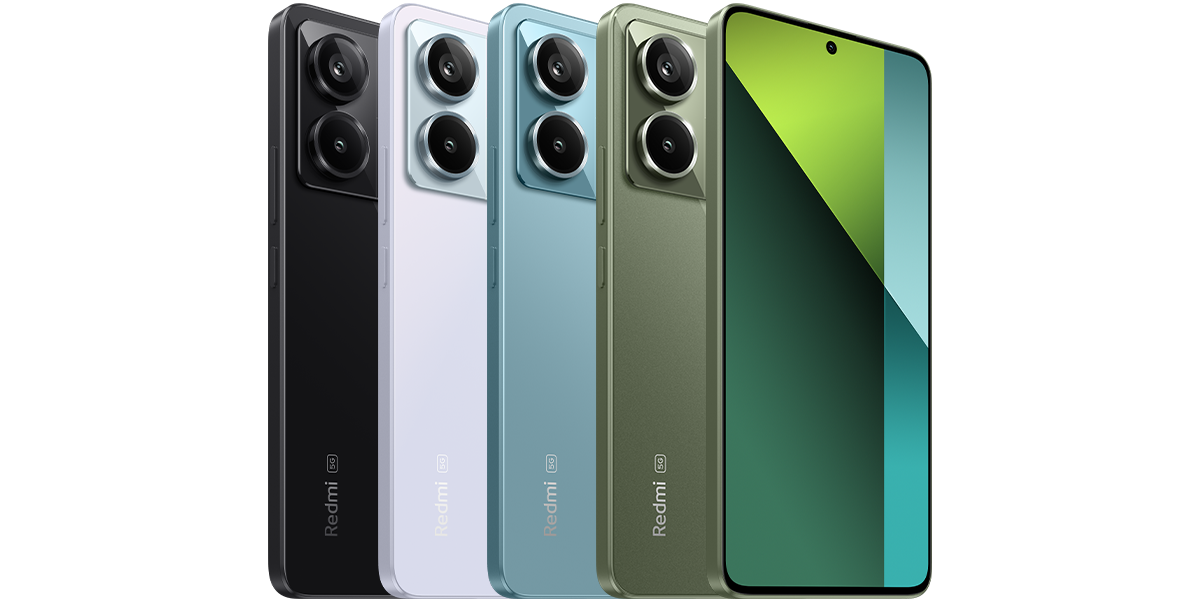
I'm comparing the global Redmi Note 14 Pro 5G with the global Redmi Note 13 Pro 5G. The 4G Pro versions and Pro+ models are separate phones, and regional versions can differ.
Before weighing up an offer, get the full model and market from the seller. A bargain is much less appealing if it's a different variant from the one you had in mind.
The differences at a glance
In each pair below, the Note 14 Pro 5G comes first and the Note 13 Pro 5G second. These are the global specifications:
- Protection: IP68 and Gorilla Glass Victus 2 versus IP54 and Gorilla Glass Victus.
- Battery and wired charging: 5110mAh with 45W versus 5100mAh with 67W.
- Display: both 6.67-inch AMOLED, 2712 × 1220, up to 120Hz. Advertised peak brightness is 3000 nits versus 1800 nits.
- Rear cameras: both list a 200MP main camera with OIS, an 8MP ultrawide and a 2MP macro camera, plus 4K video at 30fps.
- Selfie camera: 20MP versus 16MP. That number alone doesn't settle image quality.
- Processor: Dimensity 7300-Ultra versus Snapdragon 7s Gen 2. Both list LPDDR4X RAM and UFS 2.2 storage.
- Headphones: the Note 13 Pro 5G has a 3.5mm jack; the Note 14 Pro 5G uses USB-C for a wired connection, with a suitable adapter if needed.
Where the Note 14 Pro 5G catches my attention
The stronger water-resistance rating is a meaningful specification difference. Still, IP68 isn't an invitation to take it swimming. Xiaomi's test conditions include fresh water at up to 1.5 metres for 30 minutes; protection can deteriorate, and beach, pool and wet-charging situations aren't something I'd risk on that basis.
I'd also try the curved screen in a shop if possible. How it sits in your hand can matter more day to day than a small-looking specification change.
Treat the 3000-nit figure as peak brightness, not the brightness of the entire screen in every situation. Xiaomi's display FAQ also lists 1200 nits for high-brightness mode and 500 nits for manual brightness. The headline needs that context.
Why I'd happily keep the Note 13 Pro 5G on the shortlist
The battery increase is only 10mAh, roughly 0.2%. That's far too little information to predict better endurance. And with 200MP main cameras on both, I'd want comparable photos before calling one a worthwhile camera upgrade.
The Note 13 Pro 5G's 67W maximum charging rating and headphone jack may be more useful to you than the newer model's changes. Maximum wattage doesn't tell us the exact charging time, though, and the charger included in a local bundle still needs checking.
If battery life is your only complaint, try my Redmi battery-life checks and consider a repair quote before paying for a whole new phone.
Make the upgrade earn its place
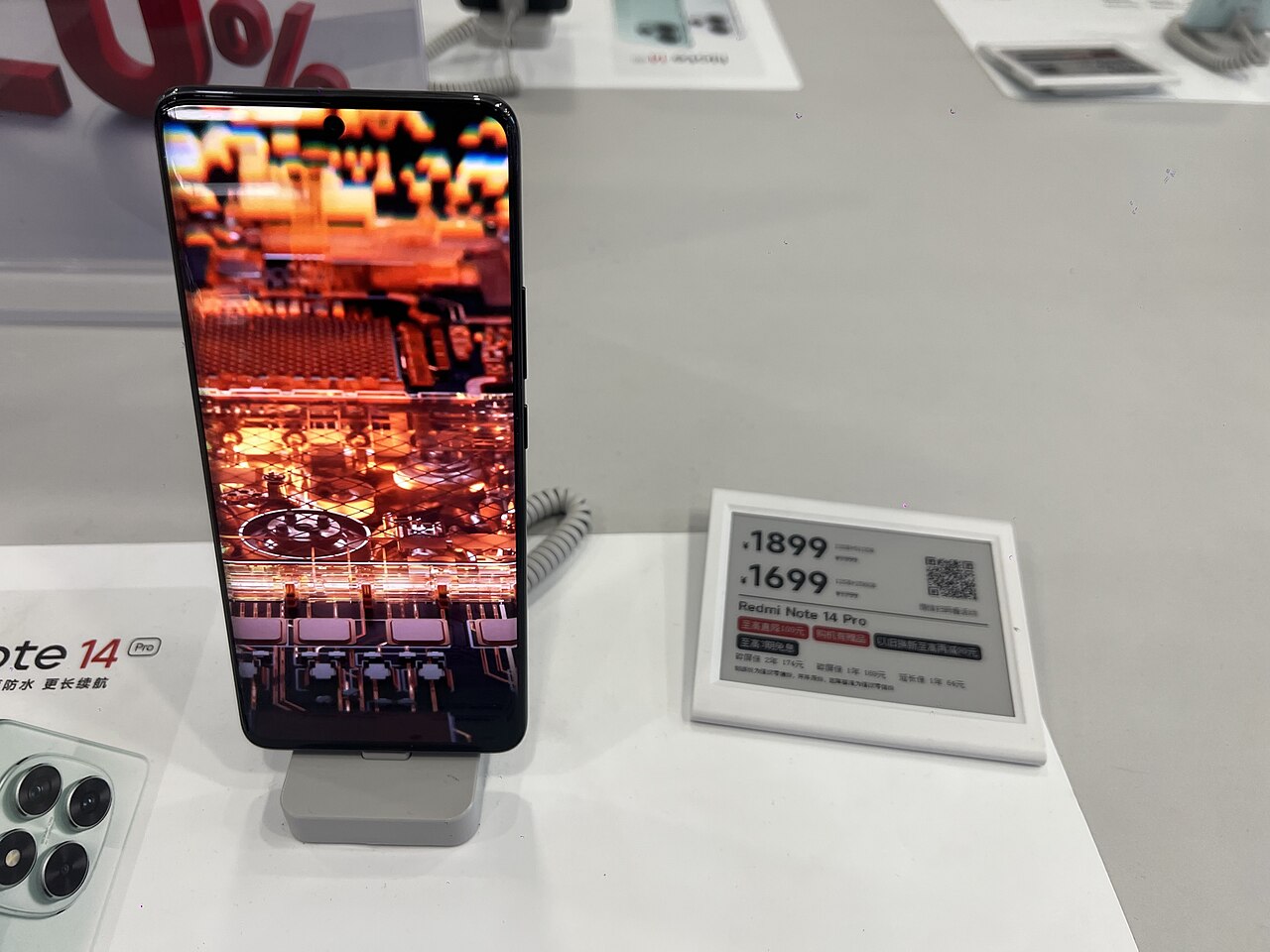
For gaming, look for a comparison of the games and settings you actually use. Processor names alone don't tell us the measured experience. For price, use current local quotes: a shop price visible in an older photograph isn't today's offer.
I'd also check software support for the exact model. The software listed at launch isn't enough to tell you its current update position.
Before paying, I'd work through this short list:
- Compare the same RAM, storage and condition, along with the intended region and network support.
- Check warranty, returns, shipping, import costs and any accessories you'll need.
- If you're selling your old phone, use a realistic offer when working out the difference you'll pay.
- Name the improvement you're buying. If you can't point to one you'll appreciate regularly, keeping your current phone is a perfectly sensible choice.
Useful links
- Xiaomi Global: Redmi Note 14 Pro 5G specifications and IP68 limitations (opens in a new tab) Checked 12 October 2026
- Xiaomi Global: Redmi Note 13 Pro 5G specifications (opens in a new tab) Checked 12 October 2026
- Xiaomi Global: Note 14 Pro 5G curved screen and brightness modes (opens in a new tab) Checked 12 October 2026
- Xiaomi Nigeria: Note 14 Pro 5G FAQ, wired headphones and regional differences (opens in a new tab) Checked 12 October 2026
- Featured photograph licence: Creative Commons BY-SA 4.0 (opens in a new tab) Checked 12 October 2026
Written with AI assistance for Redmi fans. How this blog is put together.