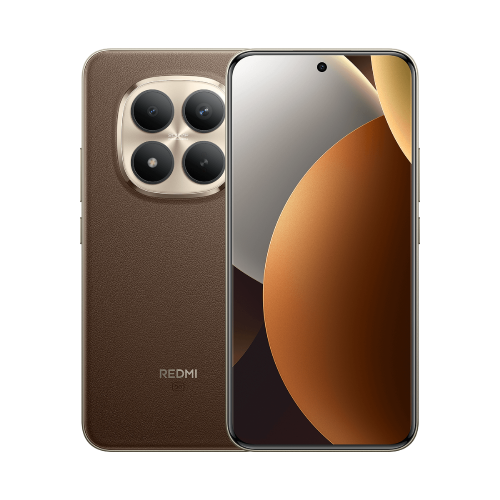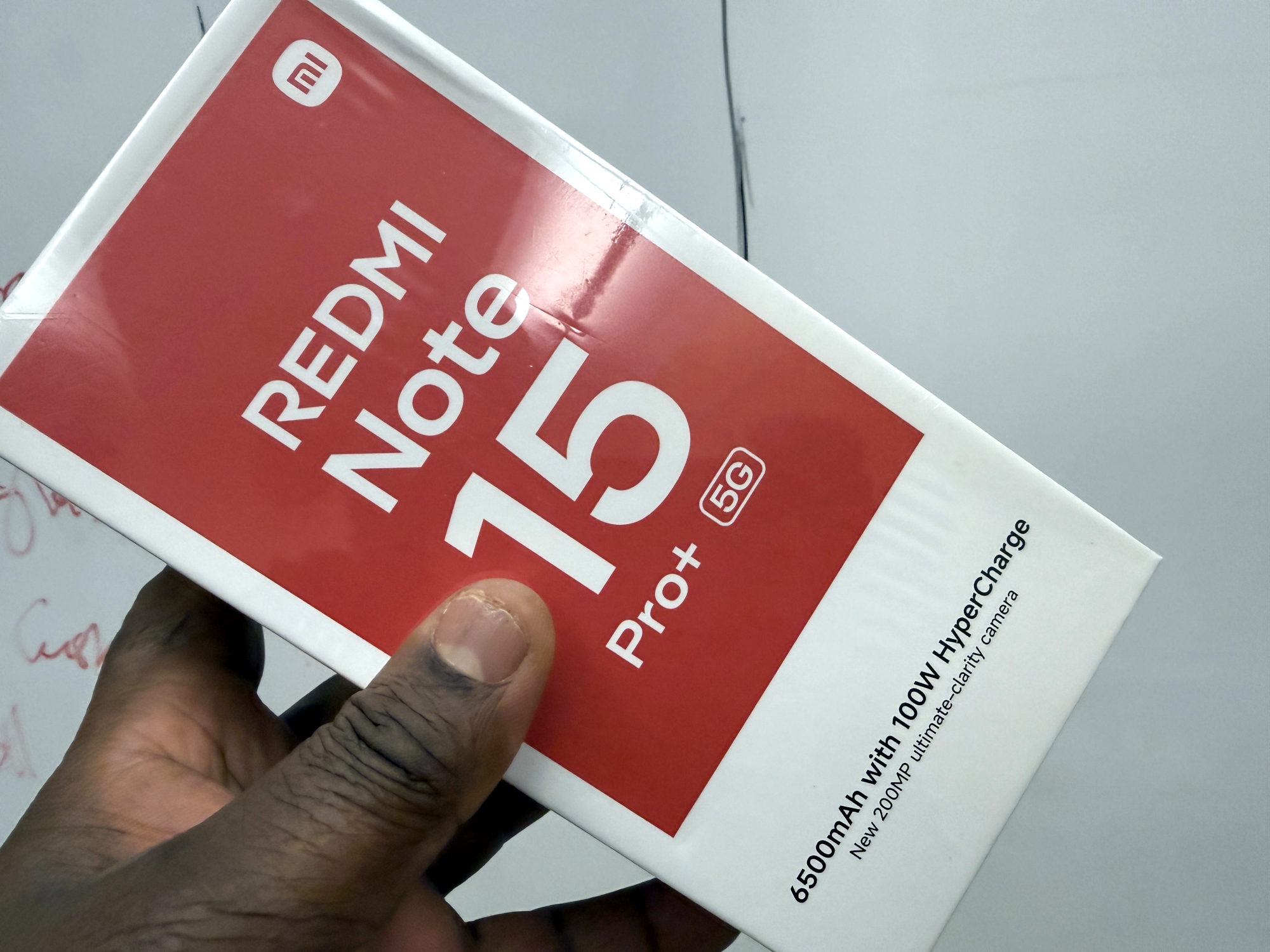
First, check the regional specification
The global specification for the Redmi Note 15 Pro+ 5G lists IP66, IP68, IP69 and IP69K. The UK specification lists IP66 and IP68. That's a good reason to check the page for your market instead of assuming every box with the same model name carries the same claims.
If you're buying an imported phone, I'd ask the seller which market it was supplied for and keep that information with the receipt. A screenshot of a global advertisement doesn't settle the specification or after-sales cover for that particular purchase.
The 30-minute and 24-hour figures describe different tests
The IP68 conditions on the specification sheet describe still fresh water, up to two metres deep, for up to 30 minutes. The water and phone temperatures must be within 5°C of each other.
Separately, Xiaomi advertises a TÜV SÜD water-resistance test lasting up to 24 hours at two metres. Its footnote also specifies still fresh water and a temperature difference of no more than 5°C. That's a manufacturer-reported lab result, not an instruction to leave your phone underwater.
I wouldn't combine those numbers into a universal 24-hour IP68 promise. The useful question is whether your planned use matches the conditions, and a holiday swim plainly isn't the controlled test described here.
Why I'd keep it out of the pool
Xiaomi advises against beach and pool use, and against testing the water resistance yourself. That is the advice I'd follow, even with an impressive row of IP numbers on the product page.
The IP69 and IP69K specifications describe controlled water-jet tests, rather than permission for every watery activity. Water resistance can also deteriorate with everyday wear, physical damage or disassembly. A phone you've dropped or had repaired deserves particular care.
For me, the appeal is having extra protection if something goes wrong. I wouldn't deliberately dunk a phone to find out whether that protection still works.
If it gets wet, pause before charging
Xiaomi explicitly says not to charge the device while it is wet. A working screen wouldn't persuade me to plug it in immediately. If it has been submerged or starts behaving strangely, I'd contact Xiaomi support with the model, purchase market and details of what happened before trying to charge it.
Once the phone is dry and suitable to charge, my Note 15 Pro+ charging guide covers the separate questions about adapters, cables and the 100W claim. Fast charging is no reason to skip the wet-device warning.
Check cover before assuming a repair is free
Xiaomi's global specification excludes liquid damage caused outside its test conditions, while the product-page notes also warn about liquid-immersion damage. I'd check the actual warranty and any additional protection supplied with your purchase, rather than treating an IP rating as a repair promise.
Keep the receipt and ask the local seller or Xiaomi support to confirm what applies to your device. I'd much rather have that answer before an accident than discover the limits with a wet phone in hand.
Useful links
- Xiaomi Global: Note 15 Pro+ 5G IP ratings, test conditions and use limits (opens in a new tab) Checked 14 October 2026
- Xiaomi UK: regional Note 15 Pro+ 5G specifications and water-resistance conditions (opens in a new tab) Checked 14 October 2026
- Xiaomi Global: separate 24-hour test claim and notes 2, 11 and 12 (opens in a new tab) Checked 14 October 2026
Written with AI assistance for Redmi fans. How this blog is put together.